The 7 Ps
You may have heard the old saying, proper prior planning prevents piss poor performance or some similar variant of the “7 Ps”. Well, here’s my take on how to make sure you are prepared to handle anything using 7 “P” words.
Planning
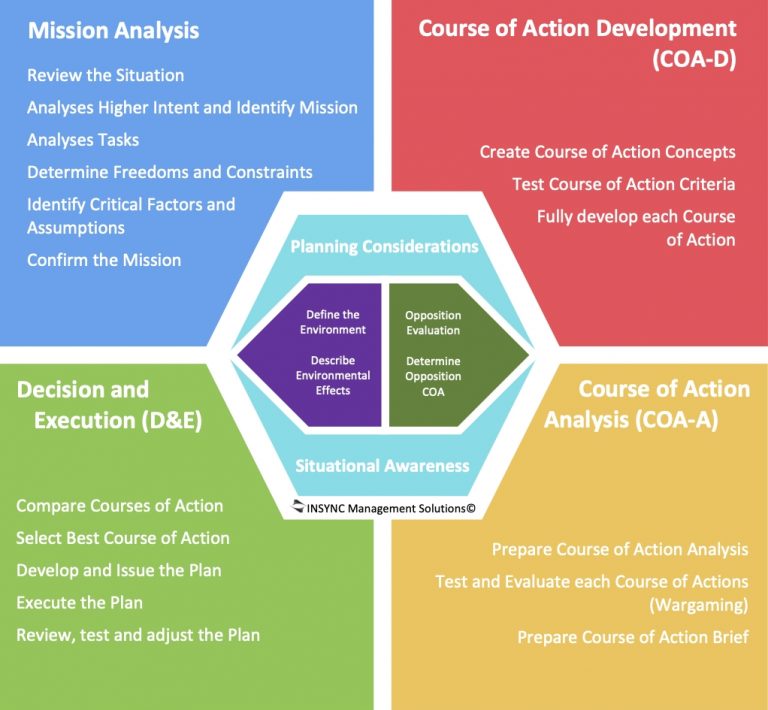
“Failing to plan is planning to fail”. All planning falls into two basic categories, simple and complex. But, regardless of how simple or complex the plan needs to be, all good plans consist of the same core components. These components, in their simplest form, are the “who, what, where, when, how, and how much”, needed to satisfy all requirements and achieve the outcome, commonly referred to as the objective. If you want to dive deeper into the planning process, check out our posts on Immediate Action Plans and the Planning Process.
Perspective
During the development of the plan, it’s crucial to understand why the objective is important and who it’s important to? Often the plan will form part of a larger strategy. In the military, we give consideration to what’s known as the “Commanders Intent 1Up and 2Up”. This allows you to develop your plan with the wider organisational context in mind rather than in a vacuum as is so often the case.
When drafting the plan, you must possess the requisite foresight to ensure the plan starts with the end in mind and the objective is central and remains the primary focus. There is an old saying, “the surgery was a great success, but the patient died”. Not understanding the wider context that connects the plan to the bigger picture may mean the objective of the plan is achieved, but the execution and delivery don’t align with the organisation’s values or ethical standards, or it may negatively impact broader organisational objectives. Understanding the Commander’s Intent means you can remain flexible and manoeuvre and change the plan to meet strategic objectives.
Performance
Dwight D. Eisenhower once said, “Plans are useless, but planning is indispensable”. What’s meant by this is that the process of researching, developing, testing, and executing the plan is where the value lays. The plan itself is like a map and is something to follow and keeps you on track for the objective, but the dogmatic execution of the plan itself is not the objective of the plan. The desired outcome is the objective. The measure of the success of the plan is never how Ridgely you were able to stick to the plan, but rather how successfully you were able to achieve the desired outcome. If the planning process was done properly, the two should align, but to quote the famous philosopher Iron Mike Tyson “everyone has a plan until they get punched in the mouth”. The execution of the plan, sustainment of momentum, and focus on the objective are the key aspects that need to be monitored and controlled.
Persuasion
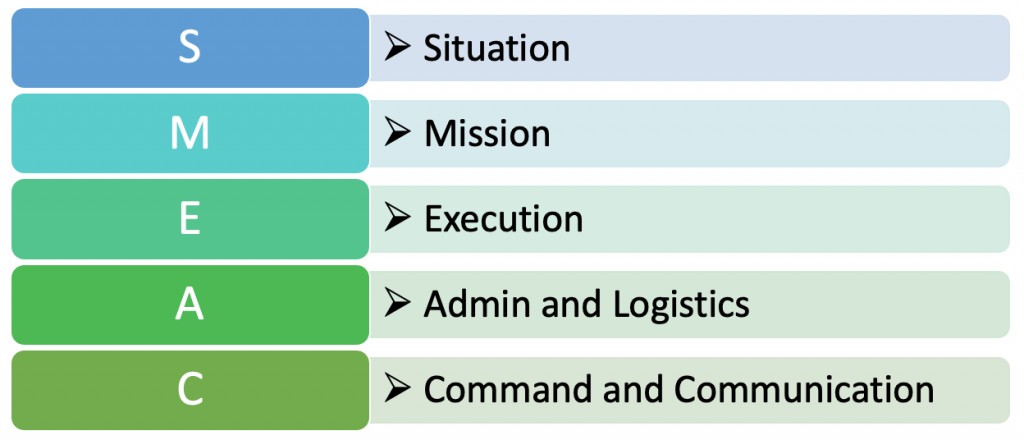
Plans are written for people. Good plans contain all the information needed to achieve the objective and are written in a way that is easy to understand. These plans are simple in their format, logical in their structure, and consistent in their content. The aim of any plan is to enable those executing it to have no doubt about the activities needed to achieve the desired outcome. But this is only half of what makes a good plan!
All plans need to be approved by someone in your organisation who understands the outcome needed but has probably not been involved in the planning process. Your plan needs to clearly demonstrate and communicate its strengths to this person ultimately responsible for signing it off.
Patience
Most plans are too ambitious and those responsible for drafting them almost always underestimate how long they will take to write and how long they will take to execute. Executing the wrong plan, or a poorly developed plan will result in the corresponding outcome. Not all plans need the same depth of planning, nor will you always have the luxury of all the time you need to fully research and develop every aspect of the plan. Having a planning process for the development of simple and complex plans is the best way to mitigate the risk of being caught in the ‘planning fog of war’.
A robust planning process will allow you to focus your effort on developing the content of the plan rather than on how to draft it. Having a planning process is effectively having a plan for how to develop a plan and will save you an enormous amount of time when you are given the responsibility to develop a plan at short notice. Having the knowledge that planning and the execution of the plan will take a lot longer than thought, it’s important that you don’t rush into solution mode. You need to spend the time needed to understand the situation, develop courses of action, analyse courses of action, and make a decision on the best way forward before drafting the plan.
Persistence
The best plans are those that are simple to understand and easy to execute. But even a bad plan can be made to work if the objective is clear and is led by a leader who has the drive and determination to see it through to the end. No plan, no matter how well researched and drafted, will be effective without a dedicated and effective leader in charge. A key planning consideration is flexibility, and a good leader will be able to modify the plan on the fly whilst maintaining focus on the objective.
Poise
The execution of a plan needs to be such that everyone involved has confidence in the plan and the leader’s ability to make it work. The leader needs to be intimately familiar with the plan and must be able to anticipate issues and constantly adjust the plan to achieve the outcome. An often-made statement is to “make a plan and stick to it”. Whilst this is somewhat apt, a better statement is “make the right plan and stick to it”. The role of the leader is to execute the right plan and in doing so it’s the leader’s responsibility to confidently inform all those involved of any changes needed to keep the plan on track. The leader must use critical thinking and logic to drive his decisions and must not allow emotion to cloud his judgment. The leader must believe in the plan and demonstrate an unwavering resolve to achieve the desired outcome. This belief in the plan will be contagious and coupled with the leader’s energy will create a sense of team spirit and momentum.