+61 8 8123 0393 info@insyncms.com.au

The Role of Leaders in Integrating Technology and AI

In today’s rapidly evolving digital landscape, the integration of technology and AI is no longer just a competitive advantage—it’s a necessity. However, the key to a successful integration lies in effective leadership. Leaders play a crucial role in ensuring that AI is introduced in a way that empowers staff and drives business growth without causing job losses. Here’s how leaders can navigate this complex transition:

Visionary Leadership

Leaders must have a clear vision of how AI can augment human capabilities and drive business growth. This means not only understanding the potential of AI but also being able to communicate its benefits effectively to the team. A visionary leader sees AI as a tool that can help the organization achieve its goals more efficiently and looks for ways to integrate it seamlessly into the workflow.

Action Points for Leaders:

  • Develop a comprehensive AI strategy aligned with business objectives.
  • Stay informed about the latest AI trends and advancements.
  • Communicate the vision clearly and consistently to all levels of the organization.

Empowerment through Education

One of the biggest fears employees have about AI is the potential for job displacement. Leaders can mitigate these fears by investing in continuous learning and development. By equipping employees with the necessary skills and knowledge to work alongside AI, leaders ensure that their teams feel confident and capable in this new tech-driven environment.

Action Points for Leaders:

  • Implement regular training sessions and workshops on AI and related technologies.
  • Encourage a culture of continuous learning and curiosity.
  • Provide resources and support for employees to upskill and reskill as needed.

Transparent Communication

Transparency is key when introducing any significant change, and AI is no exception. Leaders need to address concerns about AI and job displacement head-on. By being transparent about the goals and impact of AI, leaders can build trust and alleviate fears. This includes being honest about potential challenges and how the organization plans to address them.

Action Points for Leaders:

  • Hold town hall meetings and Q&A sessions to discuss AI integration.
  • Create an open forum for employees to express their concerns and suggestions.
  • Regularly update the team on AI implementation progress and its impact.

Human-Centric Approach

Leaders should focus on AI applications that enhance human roles rather than replace them. This means prioritizing technologies that automate mundane and repetitive tasks, allowing employees to engage in more creative and strategic activities. A human-centric approach ensures that AI is seen as a partner rather than a threat.

Action Points for Leaders:

  • Identify areas where AI can add the most value without replacing human jobs.
  • Implement AI tools that assist employees in their daily tasks, improving efficiency and productivity.
  • Foster a culture that values human creativity and problem-solving alongside technological innovation.

Inclusive Strategy

Involving employees in the AI integration process is crucial for its success. Their insights and feedback are invaluable in shaping solutions that truly meet the needs of the business and its people. An inclusive strategy ensures that AI is implemented in a way that benefits everyone.

Action Points for Leaders:

  • Form cross-functional teams to oversee AI implementation.
  • Solicit feedback from employees at all levels to understand their needs and concerns.
  • Ensure that AI tools and systems are user-friendly and accessible to all employees.

Ethical Considerations

The implementation of AI should be guided by ethical standards that prioritize fairness, transparency, and the well-being of all stakeholders. Leaders have a responsibility to ensure that AI is used ethically and responsibly, protecting the rights and privacy of employees and customers.

Action Points for Leaders:

  • Establish a code of ethics for AI use within the organization.
  • Monitor AI systems to ensure they operate fairly and transparently.
  • Be proactive in addressing any ethical issues that arise from AI implementation.

Conclusion

By fostering a culture of collaboration, continuous learning, and ethical responsibility, leaders can seamlessly integrate AI into their organizations. This approach transforms potential challenges into opportunities for growth and empowerment. AI, when integrated thoughtfully and ethically, can be a powerful tool that enhances human potential and drives organizational success.
Empowering Accountability: The Leadership Imperative

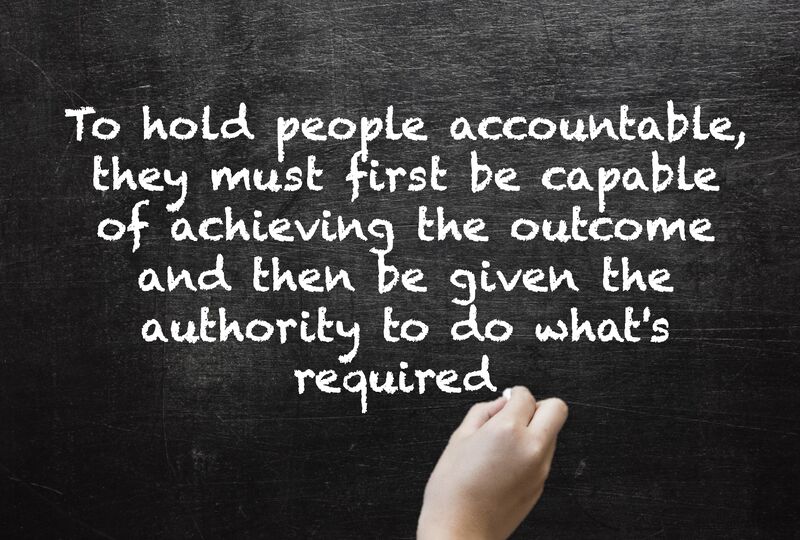
As leaders, we often emphasize the importance of accountability within our teams. However, accountability is a two-way street that begins with us. To truly hold our followers accountable, we must first ensure they are equipped and empowered to achieve the desired outcomes. Here’s a deeper dive into this crucial aspect of leadership:

  1. Capability Building: Before expecting results, we need to invest in our team’s development. This means providing the necessary training, resources, and support to enhance their skills and knowledge. When team members are well-prepared, they are more confident and capable of meeting expectations.
    • Training and Development: Regular training sessions, workshops, and access to learning materials can significantly boost the team’s capabilities. Encourage continuous learning and provide opportunities for professional growth.
    • Resource Allocation: Ensure that your team has access to the tools and resources they need to perform their tasks efficiently. This includes everything from software and equipment to adequate staffing and time.
    • Support Systems: Establish a support system that includes mentorship, coaching, and peer support. When team members know they have someone to turn to for advice or assistance, they are more likely to take initiative and push boundaries.
  2. Empowering Decision-Making: Accountability also hinges on authority. Teams must have the autonomy to make critical decisions that impact their work. By trusting them with decision-making power, we not only foster a sense of ownership but also pave the way for innovative solutions and proactive problem-solving.
    • Delegation of Authority: Clearly define the scope of authority each team member has. Empower them to make decisions within their domain and trust their judgment. This not only enhances their confidence but also speeds up decision-making processes.
    • Encouraging Innovation: Create an environment where team members feel safe to experiment and propose new ideas. Encourage them to take calculated risks and learn from failures without fear of punitive consequences.
    • Clear Communication: Ensure that the lines of communication are open and clear. Team members should understand the organizational goals, their individual roles, and the impact of their decisions on the overall success of the project or organization.
  3. Setting Clear Expectations and Metrics: For accountability to be effective, expectations must be clear, and progress must be measurable.
    • Defining Goals: Set SMART (Specific, Measurable, Achievable, Relevant, Time-bound) goals for your team. This provides a clear target and a way to measure progress.
    • Regular Feedback: Implement a system for regular feedback and check-ins. This helps in identifying issues early and provides opportunities for course correction.
    • Recognizing Achievements: Acknowledge and reward team members for their contributions and achievements. Recognition boosts morale and reinforces positive behaviors.

In summary, holding people accountable is not just about setting expectations but also about enabling success. When we focus on capability and empowerment, we create an environment where accountability thrives and excellence becomes the norm.

As leaders, it is our responsibility to build a foundation where our teams are not just accountable but also set up to succeed. By investing in their development, empowering them with decision-making authority, and setting clear expectations, we pave the way for a culture of accountability and high performance.

Let’s lead by example and foster an environment where our teams can thrive and achieve their fullest potential.

Understanding the Relationship Between Uncertainty, Fear, Anxiety, and Leadership.

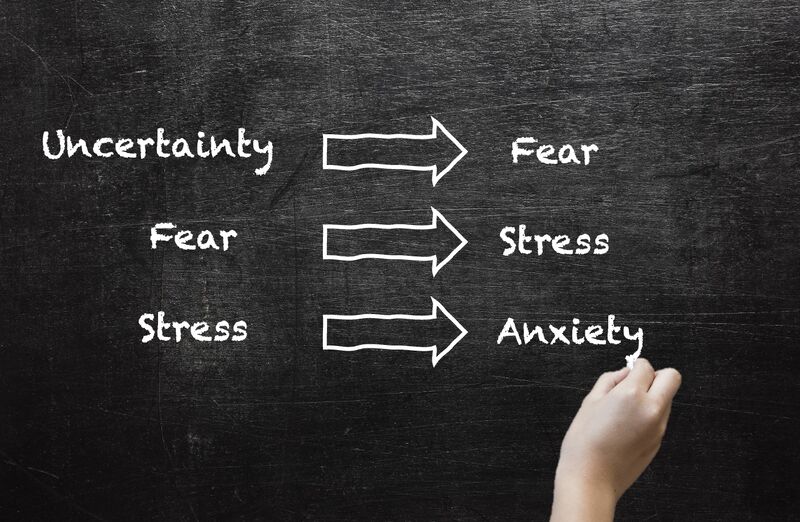
In our fast-paced and ever-changing world, uncertainty can be a significant source of fear and anxiety. This is especially true in the workplace, where leadership plays a crucial role. Unfortunately, bad leaders often exacerbate stress and anxiety due to the uncertainty they create.

Uncertainty is a lack of predictability about future events. In the workplace, unclear communication, inconsistent decision-making, and lack of transparency from leaders can leave employees feeling unsure about their roles and future.

Fear is a natural emotional response to a perceived threat. When faced with uncertainty, employees may worry about job security, career progression, and organizational changes, triggering fear as a protective mechanism.

Anxiety arises from the anticipation of future threats and uncertainties. Prolonged exposure to an unpredictable work environment can lead to heightened anxiety, affecting both mental and physical health.

The Leadership Cycle:

Uncertainty: Poor leadership leads to unclear expectations and unpredictable changes.
Fear: Employees fear negative outcomes like job loss or demotion.
Anxiety: Constant apprehension about the future creates stress that can lead to anxiety and negative health effects.

Breaking the Cycle:

Embrace Clear Communication: Leaders should be transparent and consistent.

  • Transparency: Share information openly with employees. Explain the reasons behind decisions and changes, and provide regular updates about company goals and progress.
  • Consistency: Maintain consistent messages and policies. Avoid sudden, unexplained changes that can create confusion and doubt among employees.
  • Clarity: Clearly outline roles, responsibilities, and expectations. Make sure employees understand their tasks and how their work contributes to the organization’s goals.

Challenge Fear: Address concerns directly and provide support.

  • Open Dialogue: Encourage employees to voice their concerns without fear of retribution. Listen actively and acknowledge their feelings.
  • Reassurance: Provide clear and honest feedback about job security and performance. When possible, offer reassurance to alleviate fears about job loss or demotion.
  • Support Systems: Implement programs and resources to help employees navigate challenges. This could include mentorship programs, training opportunities, and access to counseling services.

Manage Anxiety: Foster a supportive culture and offer resources for mental health.

  • Supportive Culture: Create a workplace culture that values and prioritizes mental well-being. Encourage work-life balance, recognize achievements, and foster a sense of community and belonging.
  • Mental Health Resources: Offer access to mental health resources such as employee assistance programs (EAPs), on-site counseling, and wellness programs. Promote the use of these resources and reduce the stigma around seeking help.
  • Proactive Measures: Conduct regular check-ins with employees to assess their well-being. Provide training for managers on how to recognize and address signs of stress and anxiety in their teams.

Positive leadership is crucial in mitigating uncertainty and fostering a positive, productive workplace. Understanding this dynamic helps us create healthier work environments for all.

Unmasking Corporate Psychopaths

In the world of business, the term “psychopath” might conjure up images of fictional serial killers, but the reality is far more nuanced. Psychopathy is a personality disorder characterized by a lack of empathy, shallow emotions, manipulative behaviour, and a penchant for exploiting others. While it’s important to note that not all psychopaths are criminals, their presence in the corporate world can have profound and often negative consequences. Let’s delve into the impact of psychopaths in business and society at large.

Understanding Psychopathy:

Psychopathy is a multifaceted psychological condition that unfolds over time due to an intricate interplay of both genetic predispositions and environmental influences. While it might be surprising, it’s true that all children under the age of three share some psychopathic traits, mainly centred around impulsivity and self-centeredness. These traits, often exhibited as toddlers explore the world around them without a fully developed sense of empathy, are part of a natural developmental stage.

However, the vast majority of children progress beyond these initial traits as they mature. The development of empathy and a moral compass are crucial components of growing up, allowing individuals to form meaningful connections with others and understand the consequences of their actions. It’s in this divergence that the foundation of psychopathy is laid. While most children transition into a phase of learning to consider others’ feelings and ethical considerations, individuals who eventually become psychopaths remain mired in self-centeredness and emotional detachment.

As these individuals grow, their unique traits and odd behaviours become more pronounced, setting them apart from the rest of the population. A hallmark of psychopathy is the display of superficial charm, an ability to appear engaging and charismatic on the surface. This charm often masks their underlying lack of genuine emotions and empathy. This is one of the reasons why identifying psychopaths can be so challenging—they excel at mimicking the emotions that most people feel, making it difficult to discern their true intentions.

In addition to charm, psychopaths commonly possess a grandiose sense of self-worth. They view themselves as exceptional and entitled, often exaggerating their achievements and capabilities. This inflated self-view contributes to their manipulation tactics, as they believe they deserve special treatment and privileges.

Perhaps one of the most troubling aspects of psychopathy is the absence of remorse or guilt. While most individuals experience pangs of regret or empathy when they hurt someone, psychopaths remain largely unaffected. Their inability to truly grasp the emotional impact of their actions on others makes them prone to unethical behaviour and manipulation.

Deception is another weapon in the psychopath’s arsenal. They are skilled at weaving intricate webs of lies and half-truths, often with the goal of furthering their own agenda or gaining control over others. This manipulation is underpinned by their lack of empathy, enabling them to exploit vulnerabilities without a second thought.

The development of psychopathy from childhood to adulthood is a complex journey shaped by both nature and nurture. As these individuals mature, their distinct traits and behaviours set them apart from the majority of the population. The ability to mimic emotions, combined with superficial charm, grandiosity, and a lack of remorse, makes identifying and dealing with psychopaths a challenge that requires careful observation and understanding of their unique psychological makeup.

The Prevalence of Psychopathy in Senior Leaders and CEOs:

Research indicates that psychopathy is more prevalent among senior leaders and CEOs compared to the general population. While approximately 1% of the general population could be characterized as psychopaths, this figure rises to approximately 3-4% among corporate leaders. This elevated occurrence can be attributed to specific psychopathic traits like charisma, a propensity for risk-taking, and a penchant for bold decision-making, which are advantageous in certain business contexts.

Their deficiency in emotional empathy prompts the development of heightened levels of cognitive empathy, akin to how a blind person’s hearing compensates for their lack of sight. This heightened cognitive empathy allows them to discern others’ feelings, enabling them to mimic emotions effectively and adeptly tell people what they want to hear. This cognitive ability, combined with their self-assuredness and charisma, greatly enhances their performance during interviews. Also read our post on the three types of empathy.

Impact of Corporate Psychopaths:

The presence of corporate psychopaths can have significant ramifications for both businesses and their employees. These individuals are often drawn to positions of power where they can exert control and manipulate others to achieve their goals. Their lack of empathy can lead to toxic work environments, high employee turnover, and damaged morale. They may engage in unethical practices, take excessive risks, and prioritize short-term gains over long-term stability.

Beyond the corporate realm, psychopaths also impact society. In politics, for instance, they can exploit emotions and manipulate public opinion to further their agendas. In interpersonal relationships, they may leave a trail of emotional destruction, taking advantage of others’ vulnerabilities without remorse.

Identifying Psychopaths and Protecting Yourself:

Identifying a psychopath can be challenging, as they often hide behind a veneer of charm and confidence. However, there are signs to watch for, such as a lack of genuine emotions, consistent manipulation, and a history of broken relationships. If you suspect you’re working for or living with a psychopath, consider taking these steps:

    • Educate Yourself: Learn about psychopathy and its traits to better understand the individual’s behaviour.
    • Set Boundaries: Establish clear boundaries to protect yourself from manipulation and exploitation.
    • Seek Support: Talk to colleagues, friends, or professionals about your concerns.
      Document Interactions: Keep records of interactions to track patterns of manipulation and deceit.
    • Maintain Emotional Distance: Limit personal disclosures to avoid giving them ammunition for manipulation.

Once you are conscious that psychopaths walk amongst us in both the business world and society more broadly, you will realise it’s a deeply intricate matter that carries significant implications. The ascent of psychopaths to leadership positions is a scenario with ripple effects that can harm both the fabric of organizations and the individuals who operate within them.

As we’ve explored, the unscrupulous behaviours and manipulative tendencies exhibited by psychopaths can breed toxic work environments and erode employee morale. The wake of destruction they often leave behind can be devastating, influencing not only the productivity and well-being of the workforce but also the overall health of the company.

However, understanding the traits that set psychopaths apart, such as their uncanny ability to mimic emotions, their charismatic exterior, their inflated self-worth, and their lack of remorse, can be empowering. Armed with this knowledge, individuals can better recognize the red flags and navigate the treacherous waters that dealing with a psychopath might entail. 

Moreover, personal protection against the potential harm posed by psychopaths involves setting clear boundaries, fostering emotional resilience, and seeking support from colleagues and professionals who can offer guidance. By creating a network of awareness and support, individuals can fortify themselves against the manipulative tactics that psychopaths often employ.

In the broader sense, the fight against the influence of psychopaths extends beyond personal survival. It’s a collective endeavour to cultivate healthier work environments, build authentic relationships, and promote ethical behaviour. By raising awareness about the traits and tactics of psychopaths, we contribute to a society that’s more equipped to recognize and thwart their detrimental effects.

In essence, while the challenge of psychopathy is complex, it’s a challenge that can be met with knowledge, resilience, and a collective commitment to fostering empathy, understanding, and ethical conduct. Through these efforts, we can pave the way toward healthier work dynamics, stronger relationships, and a society that thrives on principles of empathy and shared well-being.

Power vs. Leadership: Unveiling the Phenomenon in Business

In the world of business, leaders are expected to guide and inspire their teams towards achieving shared goals. However, a troubling phenomenon persists, where some individuals prioritize power over genuine leadership. This blog post explores the detrimental effects of power-driven behaviour and highlights the importance of embracing true leadership qualities. I delve into the factors contributing to this phenomenon and propose strategies for fostering authentic leadership in business to help you identify if your leadership team is exercising genuine leadership or exerting power for self-interest.

The Dark Side of Power

Power-driven leaders often prioritize their personal interests and seek control over others, leading to an unhealthy work environment. Such individuals tend to exert authority without considering the perspectives and contributions of their team members. Consequently, a culture of fear, mistrust, and disengagement may develop within the organization. These leaders may rely on intimidation, manipulation, and coercion to maintain their power, which stifles creativity and innovation.

The impact of power-driven leaders on individuals’ mental and emotional state, as well as their motivation to come to work, can be profound. When leaders prioritize their personal interests and seek control over others, it creates an unhealthy work environment that can take a toll on employees.

The lack of consideration for the perspectives and contributions of team members can leave individuals feeling undervalued and ignored. This can lead to feelings of frustration, demotivation, and a sense of insignificance in the workplace. As a result, employees may experience a decline in their overall job satisfaction, which can have a direct impact on their mental and emotional well-being.

Moreover, the presence of power-driven leaders often gives rise to a culture of fear, mistrust, and disengagement within the organization. Employees may feel anxious about expressing their ideas or concerns, fearing retaliation or negative consequences. The constant atmosphere of tension and uncertainty can lead to heightened levels of stress and anxiety among the workforce.

The reliance of power-driven leaders on intimidation, manipulation, and coercion to maintain their power further exacerbates the negative impact. Such tactics create a hostile and oppressive environment, where employees may constantly feel on edge and fearful of the consequences of making mistakes or challenging the status quo. This heightened level of stress can have detrimental effects on both mental and physical health, contributing to increased anxiety and even burnout.

Additionally, the stifling of creativity and innovation due to power-driven leadership adds to the overall stress and anxiety levels within the organization. When leaders prioritize their personal agenda and suppress alternative viewpoints, it restricts the space for employees to express their ideas and contribute meaningfully. This lack of autonomy and the inability to exercise creativity can lead to a sense of stagnation and frustration, further impacting individuals’ motivation and well-being, and may lead to good employees looking for work elsewhere, resulting in an adverse impact on staff retention.

Root Causes of Power-Driven Behaviour

Several factors contribute to the prevalence of power-driven behaviour in the business world. First, the competitive nature of the corporate landscape fosters a “survival of the fittest” mindset, where leaders feel compelled to prioritize their personal gain over collective success. This pressure to outperform peers can encourage leaders to resort to power tactics as a means of asserting dominance.

Furthermore, hierarchical structures within organizations can exacerbate power-driven behaviour. When leaders are solely focused on climbing the corporate ladder, they may become disconnected from the needs and aspirations of their teams and start to see their staff as merely pawns on a corporate chess board. As a result, their leadership style becomes more autocratic, emphasizing control and authority rather than collaboration and empowerment.

The Impact on Organizational Culture

Power-driven leadership negatively affects the organizational culture and, consequently, the overall performance and well-being of employees. Employees who experience power-driven leadership are more likely to feel undervalued, demotivated, and disengaged. This, in turn, leads to reduced productivity, high turnover rates, and a lack of loyalty toward the leader and the organization.

Moreover, power-driven leaders hinder the growth and development of their teams. By prioritizing their own interests, these leaders may discourage open communication, impede creativity, and stifle the emergence of new ideas. This stifled innovation can significantly hamper an organization’s ability to adapt to a changing business landscape and remain competitive.

Embracing Authentic Leadership

To counteract power-driven behaviour, organizations must promote and nurture authentic leadership. Authentic leaders prioritize the well-being and growth of their team members while emphasizing trust, collaboration, and open communication. By creating a supportive and inclusive environment, authentic leaders foster a sense of belonging, motivation, and engagement within their teams, which in turn results in better overall performance and increased productivity.

Building authentic leadership begins with self-awareness. Leaders must reflect on their own values, strengths, and weaknesses, as well as understand the impact of their actions on others. Honest self-evaluation enables leaders to align their behaviours and decisions with their values, fostering trust and credibility among their teams.

Furthermore, empowering team members is paramount in authentic leadership. Leaders should delegate authority, encourage autonomy, and provide opportunities for professional growth and development. By empowering individuals within the organization, leaders not only foster a sense of ownership but also inspire creativity and innovation.

Effective communication is a vital component of genuine leadership. As leaders, it is crucial to engage in active listening, valuing the input of team members, and offering constructive feedback. This approach fosters an environment of open dialogue, collaboration, and shared decision-making, ultimately cultivating a stronger bond between leaders and their teams.

Organizational Culture and the Role of Leadership

Organizational culture plays a pivotal role in combating power-driven behaviour and fostering authentic leadership. Organizations must cultivate a culture that values and rewards ethical behaviour, transparency, and accountability. This includes aligning performance evaluation systems with the promotion of authentic leadership qualities, rather than rewarding solely based on individual achievements.

Furthermore, organizations should invest in leadership development programs to equip current and future leaders with the necessary skills and mindset for authentic leadership. These programs should focus on emotional intelligence, effective communication, empathy, and fostering a positive work environment where the success of the team outweighs the success of the individual. By investing in leadership development, organizations demonstrate their commitment to creating a culture of authentic leadership.

Additionally, organizations can establish mentorship programs where experienced leaders guide and support emerging leaders. This mentorship provides a platform for knowledge sharing, skill development, and personal growth, enabling aspiring leaders to learn from seasoned professionals who embody authentic leadership values.

Moreover, promoting diversity of thought and inclusion within the organization is crucial for fostering authentic leadership. By embracing diverse perspectives and experiences, organizations can challenge conventional thinking, drive innovation, and create a workplace where all employees feel valued and empowered.

In the Australian context, where mateship and egalitarianism are highly regarded, organizations can draw upon these cultural values to promote authentic leadership. Encouraging leaders to adopt a collaborative and egalitarian approach, where every team member’s voice is heard and respected, can contribute to building a strong and cohesive organizational culture.

Trust

To foster true leadership, the absence of authority is crucial. Otherwise, your followers are simply complying with your instructions, and you are essentially exerting command. There is nothing inherently wrong with exercising command, as it is often the preferred approach for many leaders. This is especially true in fields like the military and law enforcement, or when you require complete control over those under your guidance. However, for leaders aspiring to truly lead through influence and inspiration, trust must be established and maintained. Without trust, no one will willingly follow you.

This issue appears particularly relevant in modern times, particularly in the realm of political leadership. Political leaders should ideally embody the highest levels of integrity, honesty, humility, and, above all, trustworthiness.

The late John F. Kennedy, the 35th President of the United States, famously stated during his inauguration, “Ask not what your country can do for you – ask what you can do for your country.” This sentiment was rooted in a sense of service that used to prevail. However, in recent years, many politicians and other leaders seem to view themselves as superior to the people they are meant to serve. Rather than understanding that they have been elevated to positions of leadership to serve the interests of the people, they prioritize saying and doing whatever is necessary to secure their power and maintain their position. The consequence of this approach, particularly in the context of political competition between two parties, is the erosion of truth for the sake of victory. It seems that those vying for high office believe that winning and assuming leadership is essential to implementing their vision for the greater good. Sadly, in times where ideology outweighs scientific evidence and facts, and where the media and big businesses stand to benefit from aligning with one side of the political spectrum, the truth not only suffers but is often cast aside.

Integrity is just as essential as trust in effective leadership. It encompasses the trait of fulfilling one’s promises. Every leader has the responsibility to communicate honestly and follow through on their words. Making promises that cannot be kept or, worse, making promises with no intention of keeping them is unacceptable. It is also not acceptable to attribute your failure to keep your word to changing circumstances or to blame your predecessors once you assume office. Such behaviour demonstrates a lack of thoroughness and reflects poorly on leadership. Engaging in such practices indicates incompetence at best, but more likely a disregard for the truth.

The concept of truth itself has become a casualty of modern times. Many previously unquestionable and unchangeable truths are now dismissed by factions as “not my truth.” This shift has resulted in politics giving precedence to ideology, beliefs, and emotions over experience, science, and facts. Nowadays, even scientific findings and facts are frequently manipulated, with some scientists being influenced by financial or ideological alignment with a particular political party or viewpoint driven by self-interest. At least, this is what a significant portion of the population believes. This brings us back to the issue of trust. Regardless of where one falls on the political spectrum, trust in our leaders has been so heavily eroded that scepticism is widespread, and genuine trust in our leaders is scarce.

The erosion of trust in the integrity of political leaders has played out on the global stage, affecting countries such as the US, UK, Canada, New Zealand, and Australia, reaching an unprecedented low. This breakdown in trust has resulted in the fragmentation of Western societies, with people becoming divided along ideological and political lines, fuelled by dogmatic beliefs and animosity towards those who hold opposing views. The responsibility of effective leaders is to unite people, encouraging them to come together for the greater good and to achieve remarkable feats, rather than exacerbating divisions. Unfortunately, we have witnessed numerous instances of divisive leadership in the past five years or so, and it appears to be worsening. Contentious issues of global significance, such as globalization, pandemic lockdowns, vaccinations, climate concerns, renewable energy, gender identity, free speech, and the erosion of individual sovereignty, are prevalent and are causing harm to the social fabric.

What can be done? What should be done? What are we willing to do? In my belief, we need our leaders to shift their focus from pursuing victory at any cost to doing what is morally right. They must act with honesty, integrity, and a commitment to the greater good. To be trusted, leaders must first demonstrate trustworthiness, and the most effective way to ensure someone is trustworthy is to hold them accountable.

The Power of Empathy in Leadership

Empathy, a cornerstone of emotional intelligence, holds the key to fostering connections and enhancing leadership effectiveness. While the term “empathy” is commonly used, it encompasses three distinct types: Emotional Empathy, Cognitive Empathy, and Empathic Concern. As leaders, delving into each type of empathy, understanding their intricacies, and appreciating their impact on leadership is essential.

Emotional Empathy: Stepping into Others’ Emotions

Emotional Empathy, also known as affective empathy, is the ability to grasp and share the emotions of others. It’s akin to immersing oneself in another’s emotional state, experiencing their feelings as if they were one’s own. Leaders employing emotional empathy build profound connections with team members, fostering trust and rapport.

Benefits of High Emotional Empathy for Leaders:

Strengthened Bonds: Emotional empathy fortifies relationships, crafting an environment where individuals feel acknowledged and comprehended.

Conflict Resolution: Leaders adept in emotional empathy navigate conflicts more adeptly by empathizing with all parties’ emotions and perspectives.

Employee Well-being: Demonstrating emotional empathy cultivates a positive work culture, promoting well-being and reducing stress among employees.

Challenges of Emotional Empathy for Leaders:

Emotional Fatigue: Experiencing others’ intense emotions can drain leaders emotionally, especially when boundaries are challenging to establish.

Bias in Decision-Making: Over-identifying with emotions might skew decision-making, potentially prioritizing feelings over rationality.

Cognitive Empathy: Viewing the World Through Others’ Eyes

Cognitive Empathy, often called perspective-taking, involves understanding another’s thoughts and viewpoints without necessarily sharing their emotions. It means adopting their perspective intellectually and seeing the world from their standpoint. Leaders with cognitive empathy excel in comprehending diverse outlooks, enhancing their communication and problem-solving skills.

Benefits of High Cognitive Empathy for Leaders:

Inclusive Leadership: Cognitive empathy enables leaders to embrace diversity, appreciating team members’ unique viewpoints.

Effective Communication: Leaders practicing cognitive empathy tailor their communication, improving clarity and understanding across various audiences.

Collaborative Problem Solving: This form of empathy equips leaders to tackle challenges by anticipating the needs and concerns of various stakeholders.

Potential Drawbacks of Cognitive Empathy for Leaders:

Emotional Disconnect: Relying solely on cognitive empathy might hinder emotional bonding with team members, impeding the creation of strong relationships.

Misinterpretations: Misunderstanding emotions and underestimating their influence on decisions can lead to misunderstandings and misaligned expectations.

Empathic Concern: Beyond Understanding to Action

Empathic concern, or compassionate empathy, transcends grasping emotions or perspectives. It’s about genuinely caring for others’ well-being and being driven to alleviate their suffering and enhance their happiness. This form of empathy compels individuals to actively support others in meaningful ways.

Positive Impact of Empathic Concern for Leaders:

Fostering Relationships: Leaders showing empathic concern build profound relationships with team members. When employees sense genuine care from their leader, they feel valued and engaged.

Boosting Morale: Empathic leaders cultivate a supportive work environment, addressing team members’ concerns and enhancing unity and morale.

Resolving Conflicts: Empathic concern equips leaders to understand all parties’ emotions in conflicts, facilitating effective and sensitive resolution.

Enhanced Communication: Genuine concern enhances leaders’ listening and communication, preventing misunderstandings and nurturing trust.

Challenges of Empathic Concern for Leaders:

Emotional Strain: Deep investment in others’ well-being can lead to emotional exhaustion, affecting decision-making and overall effectiveness.

Balancing Objectivity: While valuable, empathic concern must not overshadow rational decisions necessary for the organization’s greater good.

Boundary Dilemmas: Balancing empathy with professional boundaries is complex, potentially blurring lines between personal and professional relationships.

Perceived Weakness: High empathic concern might be misconstrued as weakness, undermining leaders’ authority and effectiveness.

Putting this Knowledge into Action to Aid Leaders’ Interactions

Understanding these forms of empathy empowers leaders to interact more effectively with their followers. By recognizing the nuances of emotional empathy, cognitive empathy, and empathic concern, leaders can tailor their approaches to different situations. Balancing empathy with rational decision-making ensures effective leadership that builds strong relationships, nurtures team morale, and resolves conflicts, while avoiding pitfalls like emotional exhaustion and perceived weakness. Empathy, when harnessed adeptly, paves the way for impactful leadership that drives both personal and organizational growth.

Mental Toughness

The ability to make hard decisions, cope with difficult situations and persevere through extraordinary challenges without suffering from mental injury is what I mean when I talk about being mentally tough. Mental Toughness isn’t about being macho, uncaring, or self-centred, rather it’s about having grit, determination, resolve, and being confident that you can prevail, even if the odds are stacked against you.

Mental toughness is a personality trait that can be developed through training and employing techniques that callus the mind and condition you to not be impacted by situational factors. Mental toughness is an essential condition for leaders and anyone wanting to succeed in life. Individuals with high levels of mental toughness are better equipped to handle stress and pressure, make sound decisions under challenging circumstances, and maintain their motivation and focus. They are also less likely to be coerced by external emotive influences or allow their own emotions to hijack their judgment or diminish their motivation.  

The American sports psychologist Dr. Jim Loehr was the pioneer of mental toughness as a concept. Dr. Loehr, worked with the Human Performance Institute and conducted research into the mental toughness of athletes, looking at how mindset and mental toughness affected their performance. Dr. Loehr may have been the first person to combine academic research on the topic with its practical application through sport to prove that positive outcomes can be achieved through focus and practice.

Professor Peter Clough, Keith Earle, and Doug Strycharzcyk, expanded on Dr. Loehr’s work believing mental toughness has a much broader application than just in sports. Their definition of mental toughness is:

“The personality trait which determines in large part how people deal effectively with challenges stressors and pressure, irrespective of circumstances.”

They also developed a mental toughness model comprising four components, the 4C’s of Control, Commitment, Challenge, and Confidence.

I fear one of the greatest challenges we will face in the ‘west’ this century, is the steady decline of mental toughness, especially in our young people who face the daunting threats of future pandemics, climate change, a third world war, and the regressive impact of a new global socialist world order.

Our capacity to endure stress and situational factors that challenge our resilience and our resolve is our level of mental toughness.

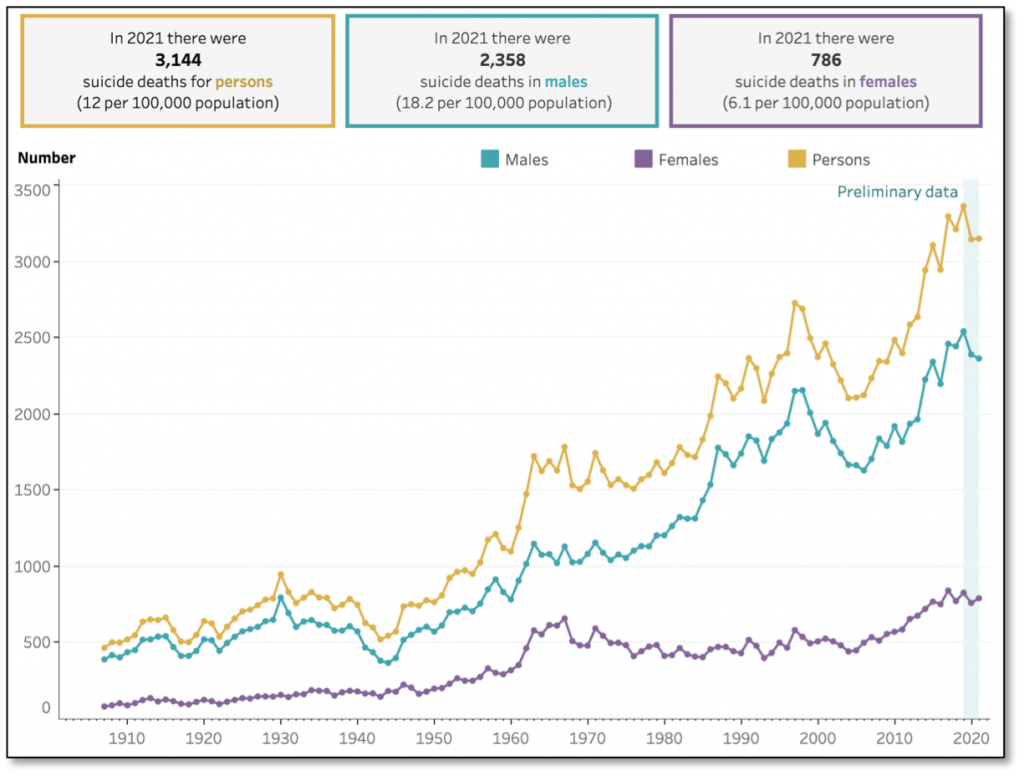
The number of suicides in Australia has risen steeply over the past 100 years or so as shown in Figure 1 below, with an interesting dip for males during the height of WWII. I should note that population has played a large part in the increase in the number of suicides; however, the rate of suicides per 100,000 population tells a surprisingly different story. I’ll come back to that later. Being mentally tough, can’t however, replace a missing purpose.

Figure 1 - Suicide deaths by sex, Australia, 1907 to 2021 - Australian Institute of Health and Welfare

The statistics during WWII indicate the lowest number of male suicides in the past 100 years at 362 in 1944, there are likely several factors that would have affected the accuracy of records for wartime suicides. It’s possible that many men who may have committed suicide had there been no war, were killed in action, suicides may have been counted as war casualties, and statisticians may not have been able to accurately record the number of suicides given the scale and geographical span of our troops during the war and the volatile circumstances at the time.

Accepting that inaccuracy would likely have skewed the numbers to some degree, I want to offer another possible explanation. Men are protectors. They protect their families, their mates, their property, their values and beliefs, and they’ve tended, at least in the past, to be very patriotic and determined to uphold their way of life. Men will react aggressively to anyone or anything that threatens their loved ones, their beliefs, their country, or their way of life. Men will do this selflessly and will sacrifice themselves to protect what’s most precious to them. You could argue men are hard-wired to risk death protecting what’s important to them, including in the service of their nation.

As protectors, men also seem to have an almost innate need, to be needed, to have a purpose, and to put the needs of others ahead of their own. This is a form of self-sacrifice, which you could also argue is a somewhat suicidal tendency. In other words, men either die for a cause or die by their own hand if they don’t have a cause to die for.

So why cover suicide to this extent in a short passage on mental toughness? Well, we often assume that those who commit suicide are in some way mentally weak or damaged or they have demons lurking under the surface that drive them to it. This may well be true for many, but it doesn’t explain why less men committed suicide during the worse time, and arguably worse war, in the last 100 years. Could it be that men are less likely to commit suicide when they have a purpose, a challenge, something to strive for or to protect? Could it be men are more prone to committing suicide when these things are missing and when they have nothing to metaphorically ‘sacrifice’ themselves for?

This is not to diminish the impact that Post Traumatic Stress Disorder (PTSD) has on those who make it through war, only to take their own lives once they return home. The Australian Institute of Health and Welfare (AIHW), annual suicide monitoring report revealed at least 1,600 serving and ex-serving Australian Defence Force (ADF) members died by suicide between 1997 and 2020, and there were 79 deaths by suicide in 2020.

The AIHW has compiled five suicide monitoring reports that revealed that ex-serving ADF members are at significantly higher risk of dying by suicide than the civilian population. Ex-serving males are 27% more likely to die by suicide and ex-serving females are 107% more likely to take their own lives than their corresponding civilian male and female counterparts.

Men who leave the ADF for involuntary medical reasons are three times as likely to die by suicide than those who leave voluntarily. Surprisingly, current permanent and reserve males, that is, males who continue to serve, are about half as likely to die by suicide as other Australian males. Without diminishing the horrific experiences that many of these men endured during their operational service in the ADF, the fact that the suicide rate amongst those who continue to serve is half that of their civilian counterparts might indicate that continued service is in some way keeping them from taking their own lives.

It’s important to understand that there may be many other reasons for this, such as those who chose to continue to serve being from a very stable portion of the population with a very low tendency to commit suicide regardless of their continued service, although this would not seem to be what the data suggests. Anecdotally, those who continue to serve, have the support of their comrades and a shared purpose that keeps them going.

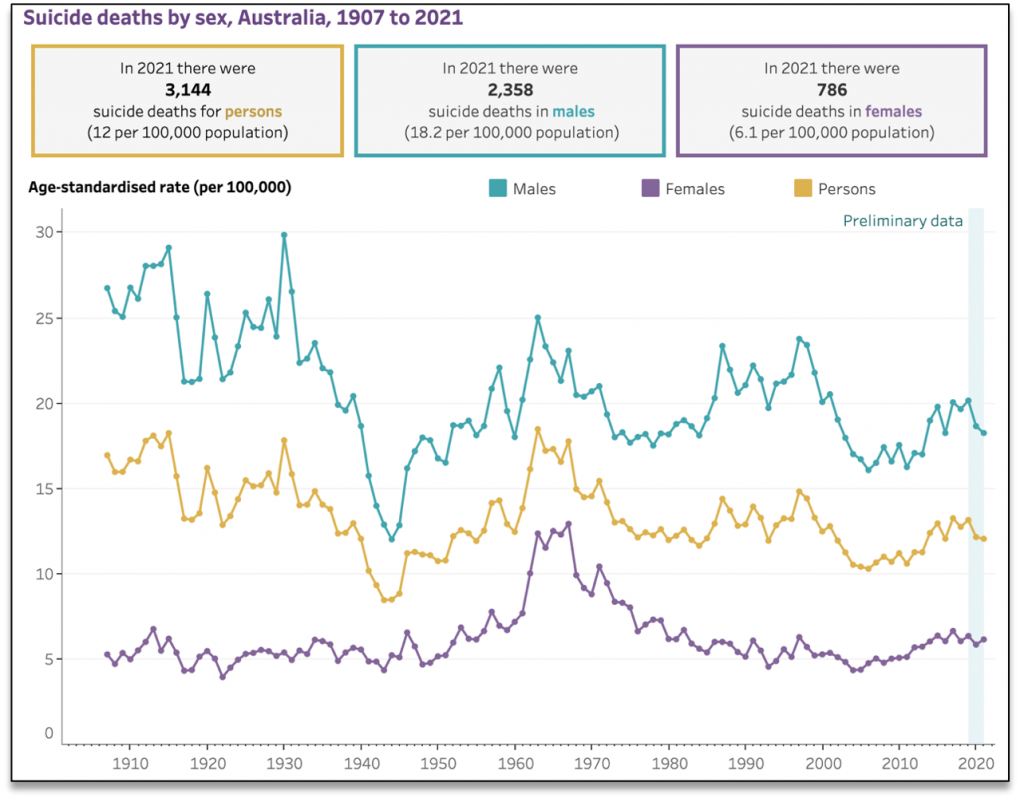
This is where I circle back to my statement that the “rate of suicides per 100,000 population tells a surprisingly different story”. This is because age-standardised percentage of suicides per 100,000 people has gone down slightly, not up! See figure two below.

Figure 2 - Age-standardised Suicide Rate 1907 - 2021 - Australian Institute of Health and Welfare

My point in all of this is that I don’t see a clear connection between how mentally tough someone is and their likelihood of committing suicide; rather, I see a loss of purpose as being the key contributor.

Building mental toughness is what allows us to handle difficult challenges and life-altering setbacks and leads to increased confidence and self-esteem. We become more resilient and adaptable, able to bounce back from failure, allowing us to continue moving forward without suffering a mental injury. Mental toughness also enhances our ability to manage stress and anxiety, which will ultimately lead to improved mental health and overall well-being. This is important because life is hard, and we need to be conditioned to deal with it. Being mentally tough, can’t however, replace a missing purpose.

Cognitive Dissonance

Cognitive congruence or consonance are the terms used to describe when alignment exists between what you think and believe, and what you say and do. When cognitive congruence exists, you will be able to commit fully to whatever task, activity, or relationship you are involved in. This differs from cognitive dissonance which exists when your thoughts, beliefs, speech, and actions are at odds with each other.

Cognitive dissonance tends to occur when you hold two contradictory but related beliefs or cognitions, at the same time and is characterised as the ‘discomfort’ felt due to this misalignment.

Cognitive dissonance is not a disease or illness. It is a psychological condition that can happen to anyone. American psychologist Leon Festinger first developed the concept in the 1950s.

Anecdotally, cognitive dissonance occurs much more frequently than you might imagine, especially when individuals feel compelled to support things they really don’t believe in and disagree with. This can be the case in their work, in law, in religion, or even as part of a group they belong to.

An obvious example of cognitive dissonance is when someone works out to maintain their health, yet smokes cigarettes or drinks alcohol knowing these products pose serious negative health consequences. A less obvious example is someone who wants to save the planet from climate change yet frequently flies to conferences in highly polluting aircraft.

What causes cognitive dissonance?

We all have our own values, beliefs, and heuristics, many of which form when we are very young and may be inherited from our parents or learned at school or from our peers. Our experiences, our culture, and even when we grew up all contribute to who we are, what we believe, and how we feel about certain issues. Cognitive dissonance can be caused by the actual or perceived need to act in a way, or agree with an ideology or decision, that does not align with our embedded beliefs or values.

When cognitive dissonance occurs, you feel torn between what you believe and what you have to do or say, and how you have to act. For example, you may be responsible for implementing guidelines or policies you do not believe in, or agree with, due to it being your job, due to peer pressure and group-think, or the fear of the punitive ramifications of speaking out. It could be that you need to abide by policies, rules, and laws, for fear of being punished, losing your job, or in today’s society, being de-platformed or cancelled.

Silently coping with your cognitive dissonance is a burden that can literally drive you to distraction and cause you quite a bit of mental anguish. Keeping your dissenting views bottled up and to yourself allows them to fester and gain weight beyond their metaphoric mass. They can cause you to become tainted, disaffected, and disengaged. They can affect your behaviour and performance and cause you to act out, particularly when your beliefs are being directly challenged and you’re under stress. The turmoil caused by your internal conflict can push you to snap and lash out at the situation, the system, or even an individual.

What can you do to overcome the internal turmoil and discomfort associated with cognitive dissonance?

First, you can acknowledge your feelings and internal conflict. Next, you need to recognise what’s causing the conflict, and why you feel strongly opposed to whatever is causing it. Then you can determine what options are available to you. Ideally, at this stage, it’s wise to fully discuss your dilemma and preferred option(s) with a trusted confidant or possibly even a professional such as a psychologist. You are then best equipped to decide how to deal with your internal struggle.

Abilene Paradox

The Abilene Paradox, was first penned by Professor Jerry B. Harvey in 1974 in an article entitled “The Abilene Paradox: The Management of Agreement”. Much later, in 1988 Prof Harvey published a book on the topic entitled “The Abilene Paradox and Other Meditations on Management”.

The Abilene Paradox describes a group of people who collectively decide to take a trip from their home in Coleman, Texas to Abilene, some 53 miles away, to partake in a meal at a quaint local diner The premise of the paradox is that in agreeing to act on the idea and take the trip, put them on a course of action that was counter to the preferences of many or all of the individuals in the group.

The following passage is taken from Organizational Dynamics, Summer 1988, pp. 17–43. © 1988 by the American Management Association, New York – All rights reserved; and was reprinted with permission, by the Aspin Institute.

“The July afternoon in Coleman, Texas (population 5,607) was particularly hot— 104 degrees as measured by the Walgreen’s Rexall Ex-Lax temperature gauge. In addition, the wind was blowing fine-grained West Texas topsoil through the house. But the afternoon was still tolerable—even potentially enjoyable. There was a fan going on the back porch; there was cold lemonade; and finally, there was entertainment. Dominoes. Perfect for the conditions. The game required little more physical exertion than an occasional mumbled comment, “Shuffle ‘em,” and an unhurried movement of the arm to place the spots in the appropriate perspective on the table.

All in all, it had the makings of an agreeable Sunday afternoon in Coleman—this is, it was until my father-in-law suddenly said, “Let’s get in the car and go to Abilene and have dinner at the cafeteria.” I thought, “What, go to Abilene? Fifty-three miles? In this dust storm and heat? And in an unairconditioned 1958 Buick?” But my wife chimed in with, “Sounds like a great idea. I’d like to go. How about you, Jerry?” Since my own preferences were obviously out of step with the rest I replied, “Sounds good to me,” and added, “I just hope your mother wants to go.” “Of course I want to go,” said my mother-in-law. “I haven’t been to Abilene in a long time.”

So into the car and off to Abilene we went. My predictions were fulfilled. The heat was brutal. We were coated with a fine layer of dust that was cemented with perspiration by the time we arrived. The food at the cafeteria provided first-rate testimonial material for antacid commercials.

Some four hours and 106 miles later we returned to Coleman, hot and exhausted. We sat in front of the fan for a long time in silence. Then, both to be sociable and to break the silence, I said, “It was a great trip, wasn’t it?” No one spoke. Finally my mother-in-law said, with some irritation, “Well, to tell the truth, I really didn’t enjoy it much and would rather have stayed here. I just went along because the three of you were so enthusiastic about going. I wouldn’t have gone if you all hadn’t pressured me into it.”

I couldn’t believe it. “What do you mean ‘you all’?” I said. “Don’t put me in the ‘you all’ group. I was delighted to be doing what we were doing. I didn’t want to go. I only went to satisfy the rest of you. You’re the culprits.” My wife looked shocked. “Don’t call me a culprit. You and Daddy and Mama were the ones who wanted to go. I just went along to be sociable and to keep you happy. I would have had to be crazy to want to go out in heat like that.”

Her father entered the conversation abruptly. “Hell!” he said. He proceeded to expand on what was already absolutely clear. “Listen, I never wanted to go to Abilene. I just thought you might be bored. You visit so seldom I wanted to be sure you enjoyed it. I would have preferred to play another game of dominoes and eat the leftovers in the icebox.”

What the Abilene Paradox highlights is an almost universal feeling of needing to propose ideas thought to be desired by others, which are then agreed with, to “not rock the boat”.

This Abilene Paradox seems to play out regularly today by a libertarian society laser focussed on innovation and change, encouraged by a mainstream who desire harmony and are opposed to confrontation. The result is bad ideas supported by people who oppose them but do not feel empowered to speak up for fear of being at odds with the group and needing to back their conviction, possibly through confrontation and debate. 

The Abilene Paradox highlights what can happen in business when there is an inability to manage agreement rather than conflict. Couple this with a lack of psychological safety to speak your mind and today’s regression of freedom of speech and this is once again the single most pressing issue facing modern organisations.

Knowing about the Abilene Paradox and that it is prevalent in many group discussions ranging from the example above to the board room and even social and political reform, will hopefully allow you to empathise with others and feel what they feel. While you can never truly know another’s mind, you should always feel empowered to authentically express how you feel without fear of offending others or of their potential ridicule, knowing they are possibly more in agreement with your view than you think.

Social media & sharing icons powered by UltimatelySocial